How to Keep Filo Dough from Tearing

It’s Not You. It’s the Filo.
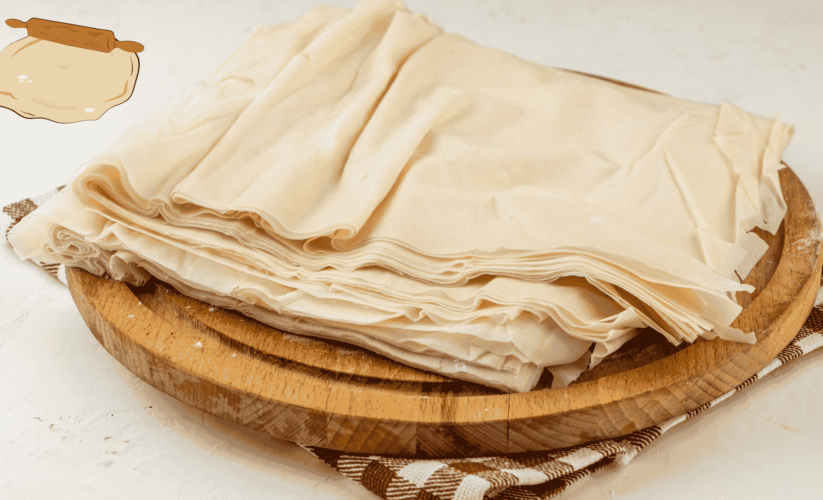
filo dough is a bit of a diva. One second it’s fine, the next it’s tearing, sticking, or drying out faster than your patience. But if you’ve ever wanted to throw a stack of filo out the window while making baklava, you’re not alone.
The good news? It doesn’t have to be that way. With a few smart moves and a little chill, you can keep that filo in line. Here’s how to handle it like a seasoned Greek grandma (minus the 60 years of experience).
Thaw It the Right Way (AKA Don’t Rush It)
Why freezing cold filo equals flaky disaster
If you’ve ever tried using filo straight out of the freezer stop. Just stop. That stuff needs time to come back to life gently. The best way? Stick it in the fridge overnight. Then, about an hour before you bake, bring it to room temperature.
Trying to rush it with heat (looking at you, microwave) is a guaranteed way to end up with cracked, stiff sheets. Trust the process.
Unroll With Care (Like It’s a Scroll From Zeus Himself)
Slow and steady wins the filo game
Once your dough is thawed and ready, gently unroll it on a clean, dry surface. Don’t yank it. Don’t peel it apart like stickers. Just be calm. If a sheet sticks or rips, don’t freak out. Stack another one over it and move on. You’re building layers, not winning filo sheet of the year.
Cover It Up, But Not Too Much
Damp towels save lives (and pastries)
Filo dries out faster than your group chat during a Monday morning meeting. Keep it covered while you’re working with it
use a barely damp clean kitchen towel. Like, just misted. Too wet, and you’ll end up with mushy sheets that tear just by looking at them.
Put a piece of plastic wrap between the towel and the filo for extra credit. That keeps the towel from sticking while still blocking out the air.
Butter Fast, But Gently
It’s not a race, but don’t take a nap either
You’ll need to brush butter between each layer of filo. Sounds fun until you realize it’s 30 sheets and you’re halfway through your playlist. Use a soft pastry brush and go easy on the butter just enough to coat the surface without soaking it.
If a sheet rips while you’re buttering, no biggie. Filo is all about the layers. A torn one here or there won’t ruin anything.
Filo Tears Happen. Roll With It.
Spoiler: Nobody’s gonna see that rip
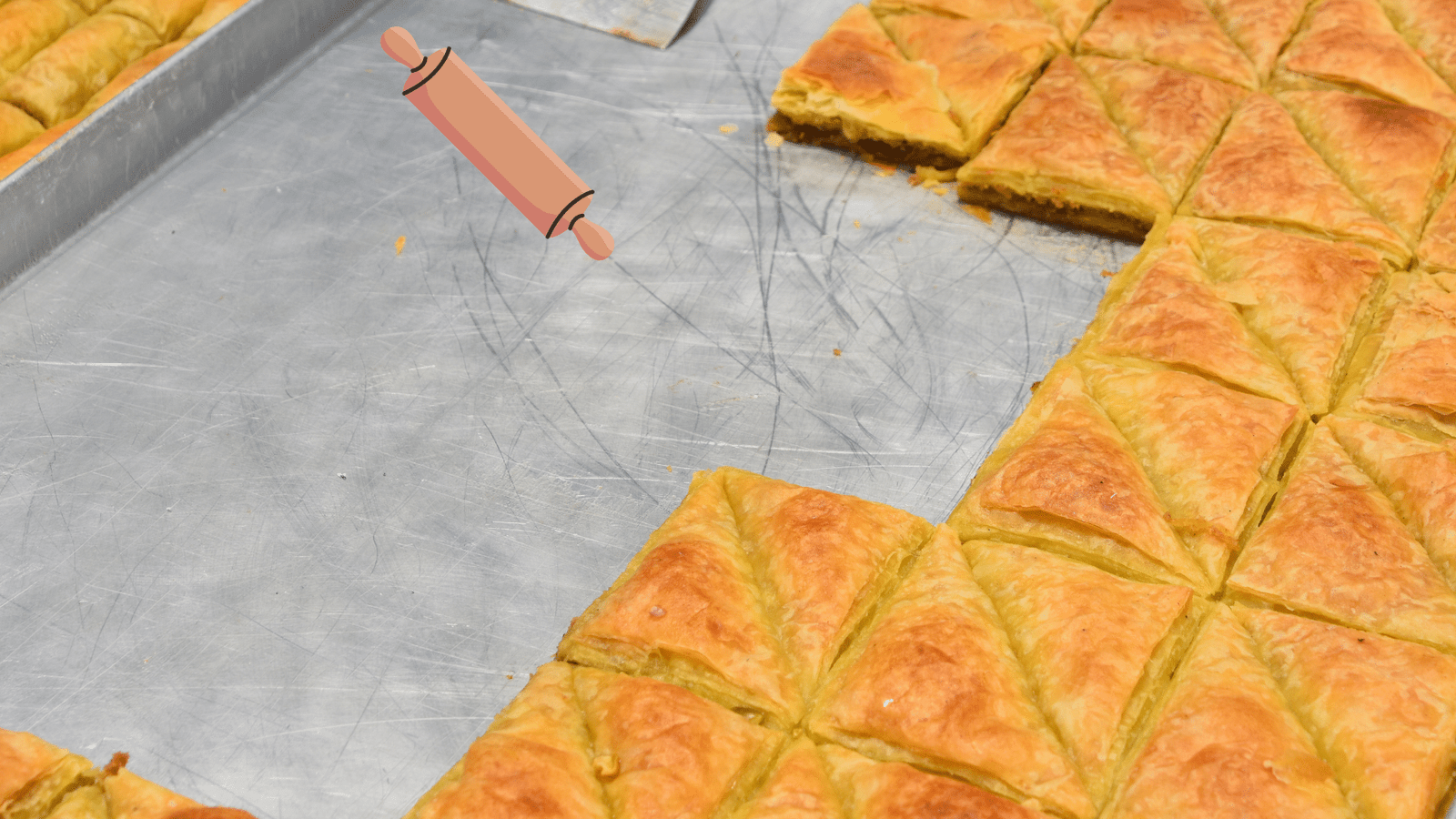
Let’s be honest, even seasoned baklava pros get a few tears now and then. Once your baklava is baked and drenched in syrupy goodness, nobody’s checking for perfect sheets. They’re too busy going back for seconds.
Bonus Tip: Keep Everything Room Temp
Butter? Room temp. Counter? Room temp. You? Hopefully calm and caffeinated. Cold ingredients can make filo seize up or crack. So give everything a little time to mellow out before you get started.
Final Thoughts: Filo Is Flaky, But You Got This
Working with filo dough doesn’t have to feel like a crisis. With a bit of prep and some low-stress techniques, you can stop fearing the tear. So next time you’re making baklava, take a deep breath, cue up your favorite playlist, and layer like a legend.
Can I use filo dough straight from the freezer?
Nope. You need to let it thaw slowly in the fridge overnight. Using it frozen or trying to rush-thaw usually leads to breakage.
What’s the trick to keeping filo from drying out while working?
Cover it with a barely damp towel and a sheet of plastic wrap on top. Keeps it just moist enough without turning it soggy.
What do I do if my filo tears?
Don’t panic. Just layer another sheet on top — filo is forgiving, and once baked, small rips won’t matter at all.
Can I fix cracked filo dough?
Not really, but you can still use it. Try piecing it together gently or layering a fresh sheet over the cracks.
How long can filo stay out while I’m working with it?
Try to work within 20–30 minutes. After that, it starts drying out even with a towel. Prep everything first to work quickly.