The Essential Ingredients of Greek Baklava (And Why They Matter So Much)


Why It’s Not Just a Pastry It’s an Ingredient Symphony
Look, Greek baklava isn’t just some random stack of flaky pastry and nuts drowned in syrup. Nope it’s a carefully crafted experience, and every single ingredient plays a major role in how magical that experience turns out.
If you’ve ever followed a recipe to the letter and still thought, “Meh, this tastes off,” then chances are, your ingredients didn’t show up ready to party. Let’s break down every must-have piece of a perfect Greek baklava from that whisper-thin filo to the golden drizzle of syrup.
Table of Contents
1. Filo Dough: The Flaky Star of the Show
Why it’s a love-hate relationship (but mostly love)
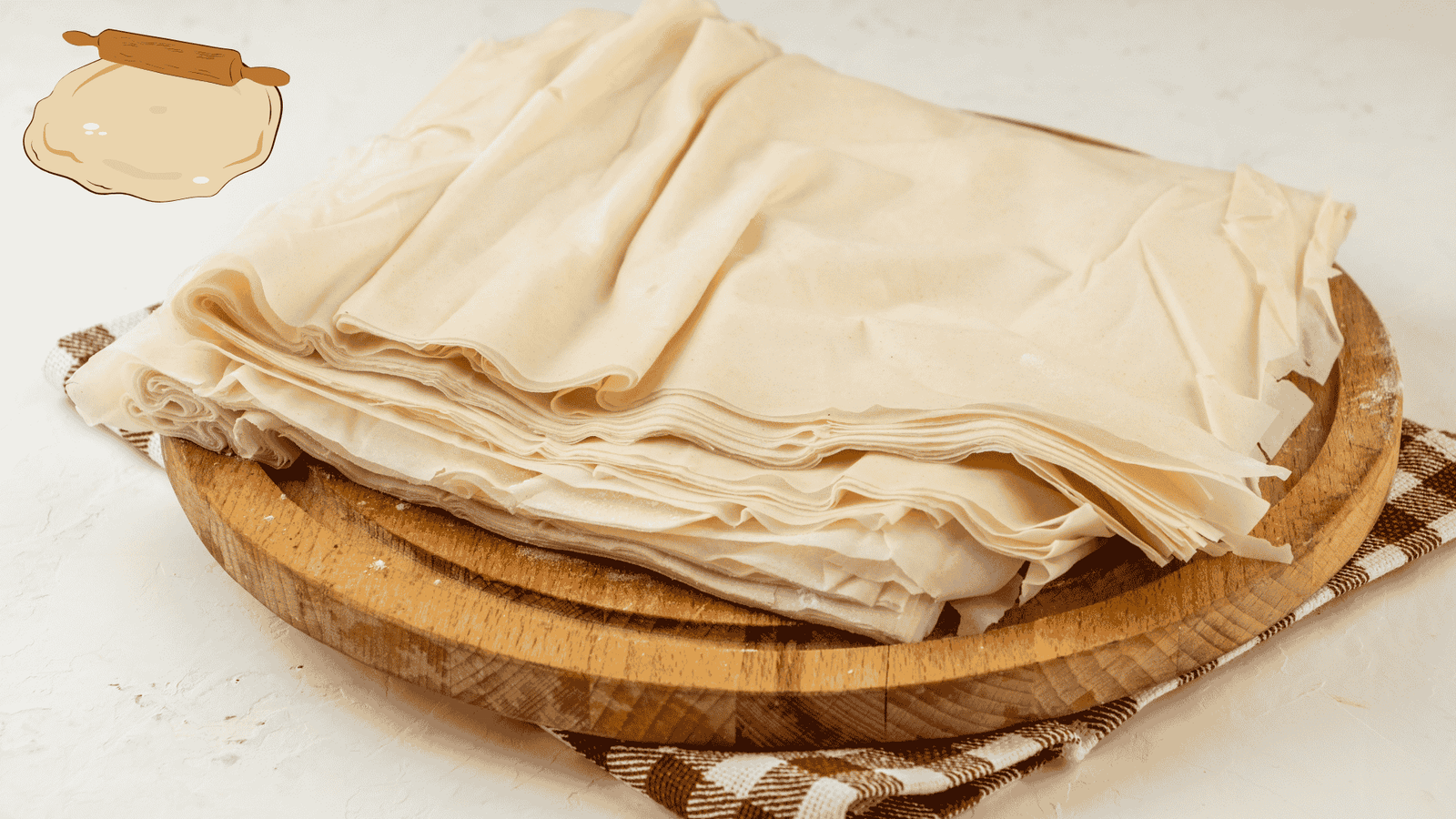
Filo dough is famously dramatic. It tears, dries out, and basically dares you to mess up. But once you know how to handle it like we covered in this filo-saving guide it becomes your best baking buddy.
What to look for:
- Paper-thin sheets
- No cracks or dryness
- Thaw in the fridge overnight (never on the counter!)
Don’t skip the butter
Each layer of filo gets brushed with melted butter not just for flavor, but to help it puff and crisp. Skip or skimp on the butter, and you’ll end up with sad, dry sheets that bake into cardboard.
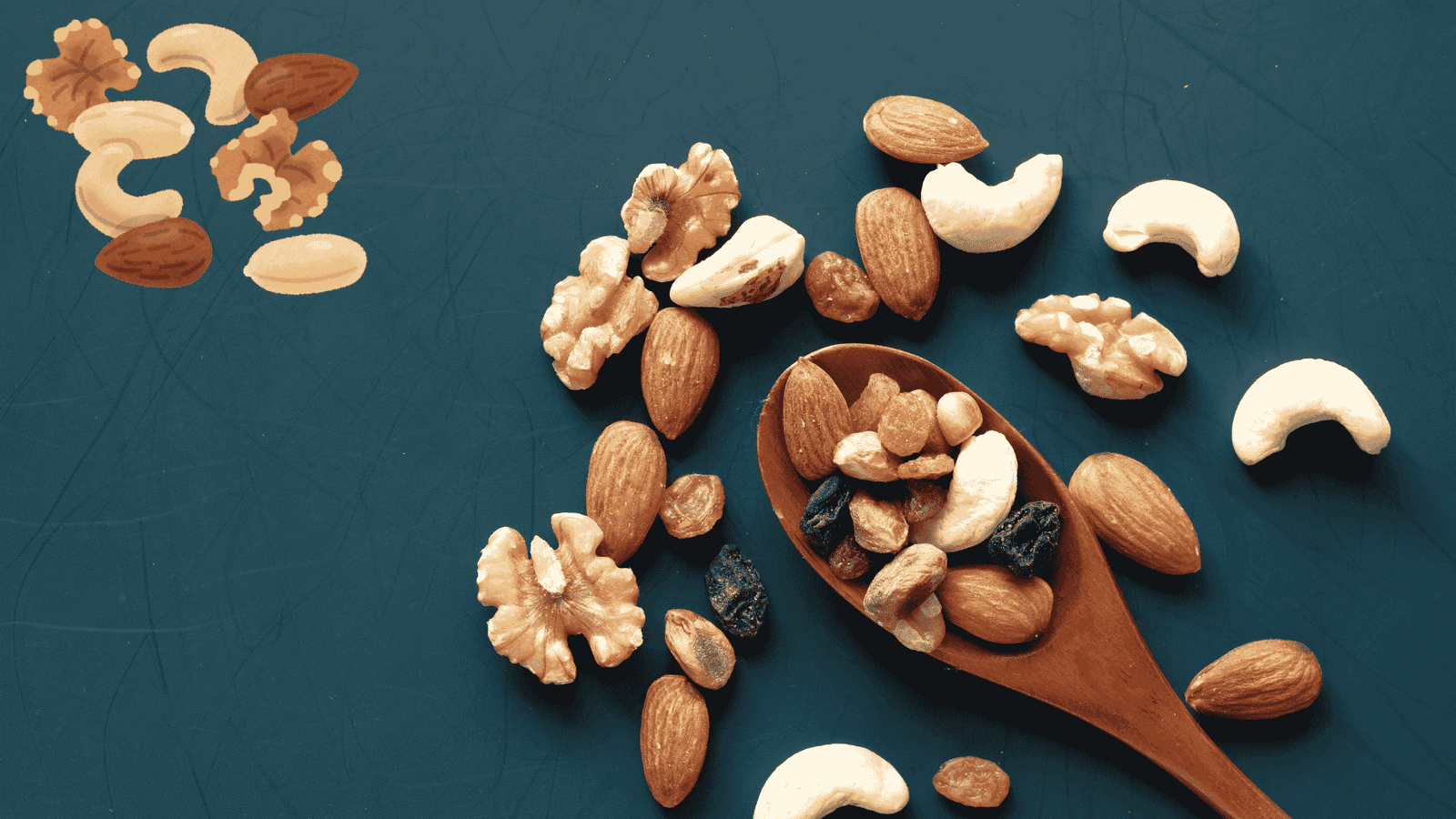
2. Nuts: Texture, Flavor, and Identity
Not all nuts are created equal
In Greek baklava, walnuts reign supreme. They’ve got a bold, earthy bite that holds up beautifully with the warm spices and sticky syrup.
But don’t let tradition hold you back. In this nut breakdown, we compared walnuts, pistachios, almonds, and even hazelnuts in this nut breakdown .
Go-to nut combos:
- 100% walnuts for authentic Greek flavor
- 50/30/20 walnut-pistachio-almond for extra texture and color
- Toast your nuts before using flavor = unlocked
3. Cinnamon & Spices: The Secret Sauce (Without the Sauce)
Warm, cozy, and totally necessary
Greek baklava doesn’t usually go heavy on spices, but a little cinnamon mixed with your chopped nuts? Absolute perfection. Some recipes toss in a pinch of clove or allspice, but cinnamon is the MVP.
Pro tip: mix it right into the nut filling so every bite is evenly flavored.
4. Butter: The Unsung Hero
Why olive oil’s not invited to this party
This isn’t the time for health swaps. You want real melted butter, preferably unsalted. It creates those crispy golden layers, carries the flavor, and makes the house smell like heaven.
Brush each layer lightly. Too much and your baklava will be greasy; too little and it’ll flake without flavor.
5. The Syrup: Sweet, Sticky, and Soaked Just Right
Cold syrup on hot baklava = magic
Greek baklava syrup is usually made with:
- Sugar
- Water
- Honey
- Lemon peel or orange zest
- A cinnamon stick for good measure
We break down the syrup timing rules over here, but the short version? Always pour cold syrup over hot baklava or vice versa. Never both hot or both cold unless you want syrupy sadness.
6. Optional (But Amazing) Add-Ons
A few extras that don’t break the rules
- Citrus zest: Especially orange peel it adds brightness
- Rosewater: Less common in Greek versions, more in Middle Eastern
- Chopped pistachios on top: For flair and crunch
- Vanilla extract: Rare, but adds a mellow smoothness
What are the must-have ingredients for Greek baklava?
Filo dough, chopped walnuts, melted butter, cinnamon, and sweet syrup made with sugar, honey, and lemon zest.
Can I use pistachios instead of walnuts?
Yes, but it won’t be traditional Greek style. A mix of pistachios and walnuts is a tasty modern twist.
Why is butter so important in baklava?
It helps create those golden, crispy layers and adds richness to every bite.
Do I have to use honey in the syrup?
Not necessarily some Greek recipes skip it. But honey adds a deep, sticky sweetness that makes the syrup pop.