Greek Baklava vs. the Rest: Regional and Cultural Variations You’ll Actually Want to Taste

Spoiler: There’s More Than One Way to Baklava
Baklava might seem like a one style fits all dessert flaky layers, sweet syrup, crunchy nuts. But take a little stroll through the Mediterranean and Middle East, and you’ll discover a whole world of baklava styles, each with its own unique twist.
From the lemon zesty sweetness of Greek baklava to the buttery pistachio packed Turkish version, every culture adds its own flavor (literally) to this iconic dessert. So let’s travel through filo land and see how the rest of the world layers up their baklava.
Table of Contents
1. Greek Baklava: Bold, Nutty, and Syrupy
What makes it Greek?
Greek baklava is rich, earthy, and unapologetically sweet. It’s usually:
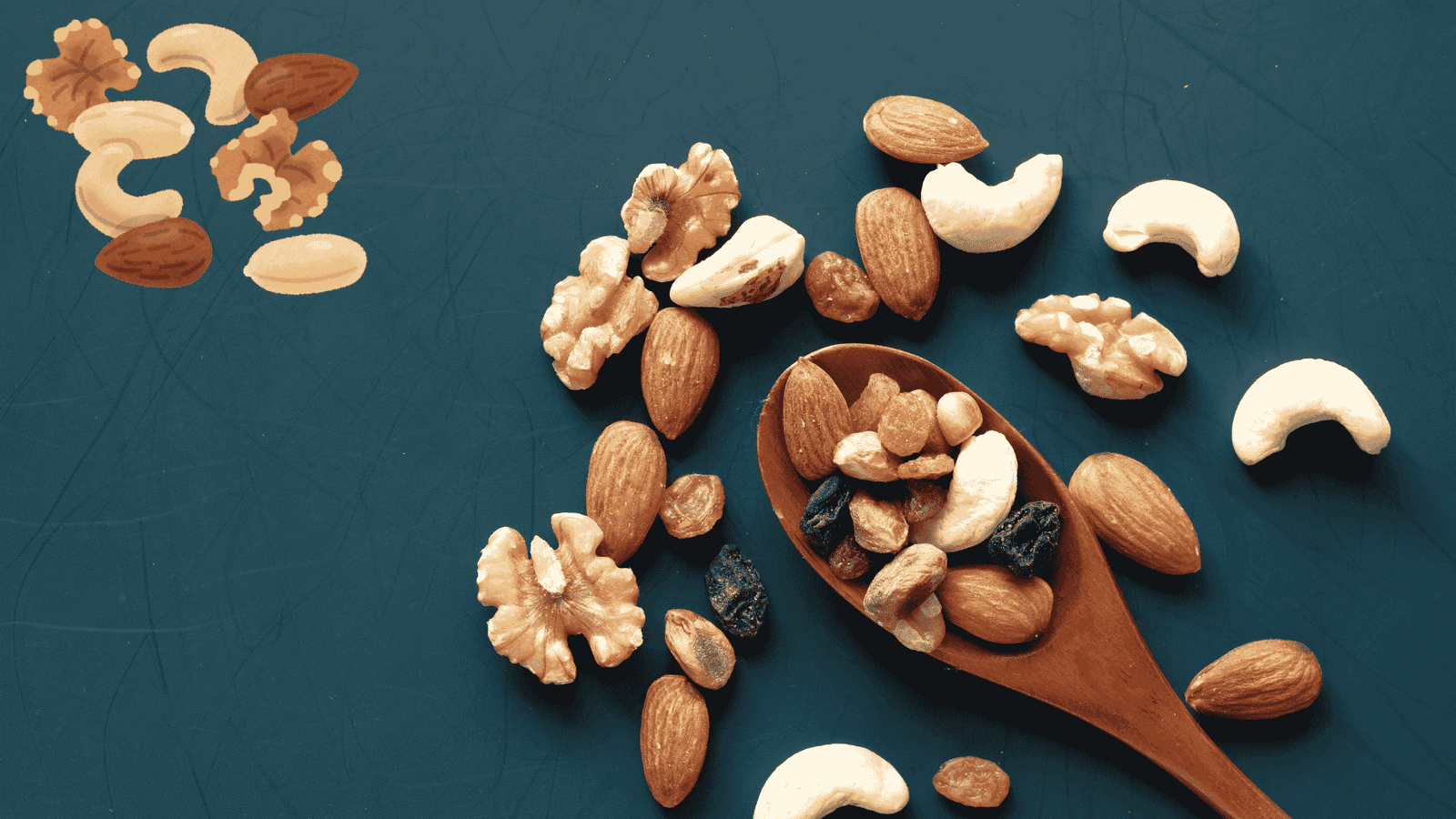
- Loaded with walnuts
- Flavored with cinnamon
- Soaked in a honey lemon syrup
- Cut into classic diamond shapes
- Often has 33 filo layers (symbolizing the years of Christ)
Want to make it from scratch? Check out our step-by-step Greek baklava technique guide.
Not sure which nuts work best? Our nut combo guide breaks down all your tasty options.
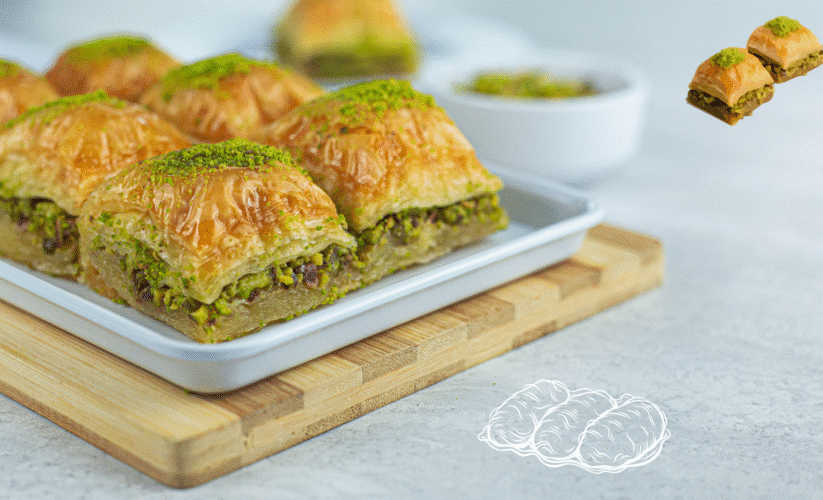
2. Turkish Baklava: Lighter, Buttery, and Extra Fancy
Smooth, subtle, and kinda boujee
In Turkey, baklava is almost always made with:
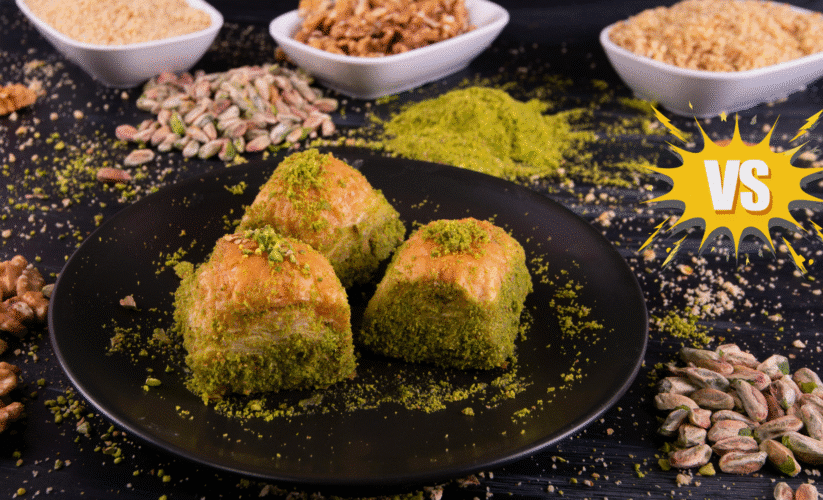
- Pistachios (and we mean lots of them)
- A sugar lemon syrup (no honey)
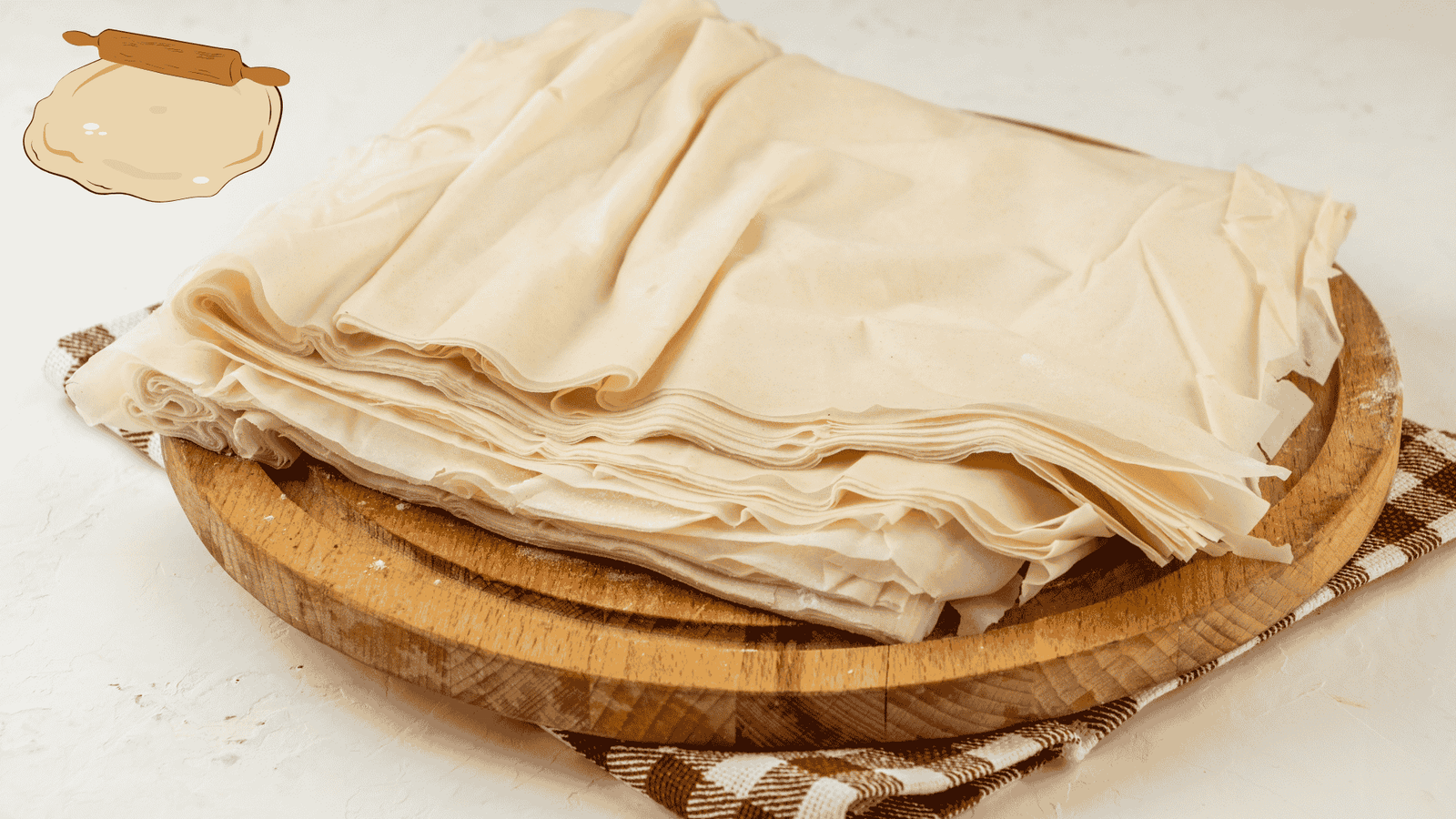
- A more delicate, buttery filo that’s softer than Greek versions
- Smaller pieces, often square or rolled
- Topped with bright green crushed pistachios
It’s smoother, less spiced, and typically less sweet than its Greek cousin. Think elegance vs. intensity.
3. Middle Eastern & Levantine Baklava: Rosewater and Almond Vibes
A floral twist on the classic
In places like Lebanon, Syria, and Jordan, baklava often features:
- A mix of almonds and pistachios
- A syrup scented with rosewater or orange blossom
- Flavors that are lighter and more aromatic
- Smaller bite sized rolls or mini triangle pieces
This version leans into perfume like flavors less cinnamon, more floral, and a little less sticky.
4. Armenian Baklava: Spice Lovers Unite
Cinnamon, clove, and depth
Armenian baklava is a spiced masterpiece. Expect:
- Cloves, nutmeg, and cinnamon all in the nut mix
- Almonds and walnuts instead of pistachios
- A lighter hand on the syrup
- Diagonal cuts like Greek baklava
- Sometimes garnished with sesame seeds
It has an old world, cozy spice cabinet vibe perfect for fall and winter dessert tables.
5. Persian Baklava: Delicate, Fragrant, and Fancy
The one you eat with pinkies up
In Iran, baklava is usually:
- Made with almonds or cardamom scented pistachios
- Flavored with saffron and rosewater
- Wrapped into diamond or square shapes, often thinner and more elegant
- Not as syrupy they go lighter on the sweetness
It’s super refined and full of that rich Persian spice and floral flavor
Want to see how ingredients vary between baklava styles? Explore the essential baklava ingredients here.
6. Modern Fusion: Chocolate, Cheesecake, and Baklava Ice Cream?
Because why not?
Modern baklava fans are getting creative:
- Chocolate dipped baklava rolls
- Baklava cheesecake bars
- Baklava ice cream sundaes
- Savory baklava with feta and herbs
If it’s flaky and layered, it’s fair game these days. Just don’t tell grandma
For more delicious mashups, check out our guide to modern baklava recipes.
What makes Greek baklava different from Turkish baklava?
Greek baklava uses walnuts, cinnamon, and honey syrup. Turkish baklava uses pistachios and a butterier filo with sugar lemon syrup.
Is rosewater used in Greek baklava?
No rosewater is common in Middle Eastern and Persian styles, but not traditional Greek recipes.
Which baklava is the sweetest?
Greek baklava tends to be sweeter and stickier due to the honey syrup.
What’s the spiciest version of baklava?
Armenian baklava includes clove, nutmeg, and cinnamon perfect for spice lovers.
Can I mix baklava styles in one tray?
Sure! Mix and match nuts, shapes, and syrup flavors it’s your filo world now.