Protein Cookies That Work – 4 Proven Tips for Soft, Healthy Results


You’re not the only one who wants a cookie to satisfy your sweet desire and get you through the day. In this article, we’re diving into the world of protein cookies. From how to bake them at home to what ingredients really make a difference. You’ll learn how to avoid the chalky store-bought kind and make your own batch that’s soft, chewy, and packed with benefits. Whether you’re looking to support your workouts or just enjoy a healthier dessert, protein cookies are the delicious solution that bridges indulgence and nutrition.
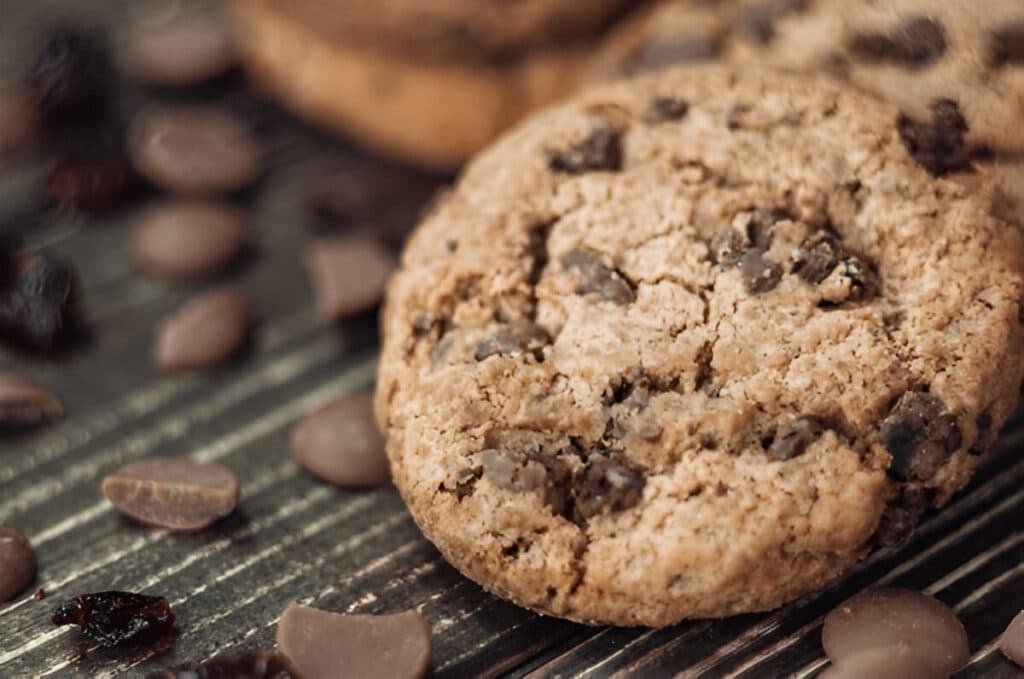
Table of Contents
Why I Started Making Protein Cookies
Print
Protein Cookies That Actually Taste Good – High Protein, Low Fuss
- Total Time: 22 mins
- Yield: 12 cookies 1x
Description
Soft and chewy protein cookies made with almond flour, whey, and chia seeds. Naturally sweet and packed with energy, they’re perfect as a post-workout snack or guilt-free treat.
Ingredients
1 cup almond flour
1/2 cup whey protein
2 tbsp chia seeds
1/3 cup Greek yogurt
1 egg
1/4 cup maple syrup
1/4 cup dark chocolate chips
1/2 tsp baking soda
1 tsp vanilla extract
Pinch of salt
Instructions
- Preheat oven to 350°F (175°C).
- In a bowl, mix almond flour, whey protein, chia seeds, and baking soda.
- In a separate bowl, whisk together egg, yogurt, maple syrup, and vanilla.
- Combine the wet and dry ingredients until well mixed.
- Fold in the chocolate chips.
- Scoop dough onto a baking sheet lined with parchment paper.
- Bake for 10–12 minutes, until edges are lightly golden.
- Let cookies cool on a wire rack before serving.
Notes
- Store in an airtight container for up to 5 days.
- For chewier cookies, refrigerate the dough for 30 minutes before baking.
- You can substitute whey protein with a plant-based blend, but adjust liquid slightly.
- Prep Time: 10 mins
- Cook Time: 12 mins
- Category: Cookies
- Method: Baking
- Cuisine: American
Nutrition
- Calories: 150
- Sugar: 5g
- Sodium: 90mg
- Fat: 8g
- Saturated Fat: 2g
- Unsaturated Fat: 5g
- Carbohydrates: 12g
- Fiber: 3g
- Protein: 10g
- Cholesterol: 20mg
I’ll never forget the first time I tried a store-bought protein cookie. It looked like dessert. It smelled like dessert. But one bite in, and it was like chewing on dry oatmeal with a chalky aftertaste. That moment sent me on a mission. Could I make a cookie that tasted like real dessert but with real nutritional value?
The answer was yes. That’s how my obsession with protein cookies began. I wanted something I could snack on after a workout or during a long day at the dessert studio. Something sweet, soft, and satisfying. The first few batches were a mess. Too dry, too dense, too bland. But after dozens of experiments, I finally landed on the perfect texture. Flavorful, chewy on the inside, and somewhat crispy on the outside.
Protein cookies have become a regular in my kitchen, right next to my ice cream sandwich cake and bento cake treats. Unlike those indulgent desserts, these cookies offer a little more than comfort. They offer fuel. Whether you need a snack between meetings or a post-dinner treat that won’t spike your sugar, a homemade protein cookie hits the spot.
A Sweet Bite with Benefits
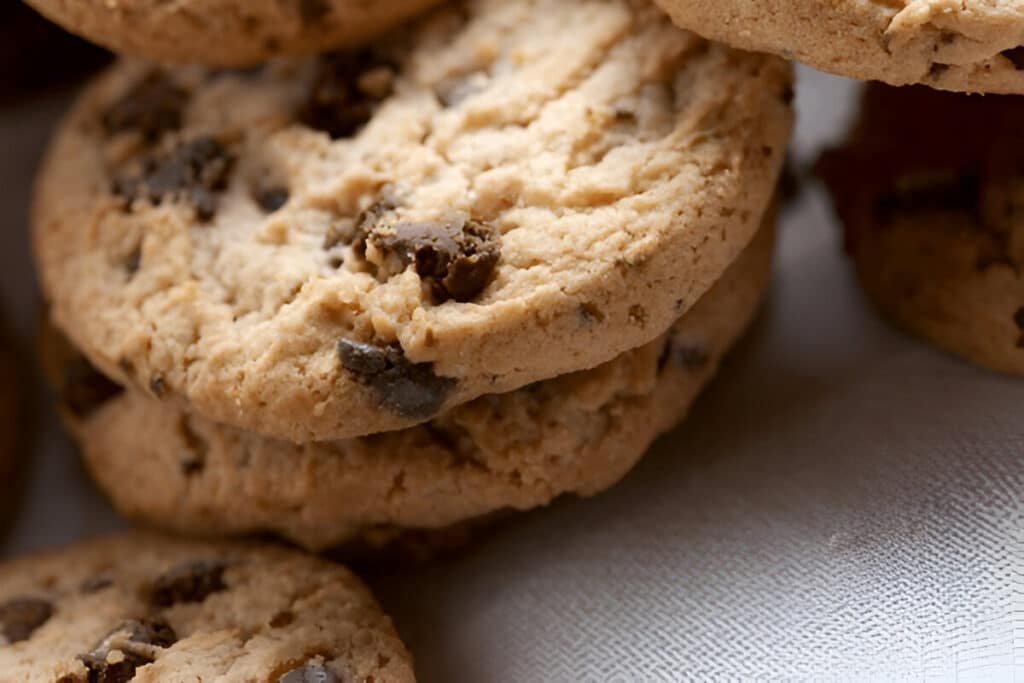
Here’s the thing about protein cookies. When made right, they’re a game changer. You’re getting the chewy comfort of a cookie with the added benefits of protein to help support energy, satiety, and even muscle repair. That means less mindless snacking later and more satisfaction now.
What makes protein cookies stand out is all about what’s inside. Instead of empty carbs, these cookies often include whey protein, almond flour, nut butters, and egg whites. Those swaps give you steady energy and keep your blood sugar more stable than a traditional cookie.
You don’t have to compromise on flavor either. Homemade protein cookies can be downright indulgent. Think rich cocoa, creamy peanut butter, or even a swirl . If you’re new to baking with protein, don’t worry. We’ll break down exactly how to get it right in the next section.
What Makes the Best Protein Cookie?
Ingredients That Matter
Not all protein cookies are created equal. The best ones start with a few honest, high-quality ingredients that support your goals and taste like a treat. A great protein cookie relies on protein-rich bases such as whey or plant-based powders, but also needs structure and fat from ingredients like almond flour, peanut butter, or oats.
When baking, think beyond just protein powder. Almond flour adds moisture and a nutty flavor. Coconut flour provides fiber. Natural sweeteners like honey or maple syrup give the right touch of sweetness without the blood sugar spike. And don’t forget a dash of sea salt or cinnamon to elevate the flavor.
What you avoid matters too. Skip ingredients that dry out the cookie or leave a bitter aftertaste. This often means choosing unsweetened protein powders and avoiding artificial sugar substitutes that can ruin the texture.
Looking for a chewy cookie base? Try using a mix of nut butter and oat flour.
Texture, Taste, and Nutrition
A good protein cookie must pass the three-part test. Flavor, texture, and nutritional value. If it crumbles like sand or sticks to your teeth, it’s a no-go. That’s where baking science meets dessert love.
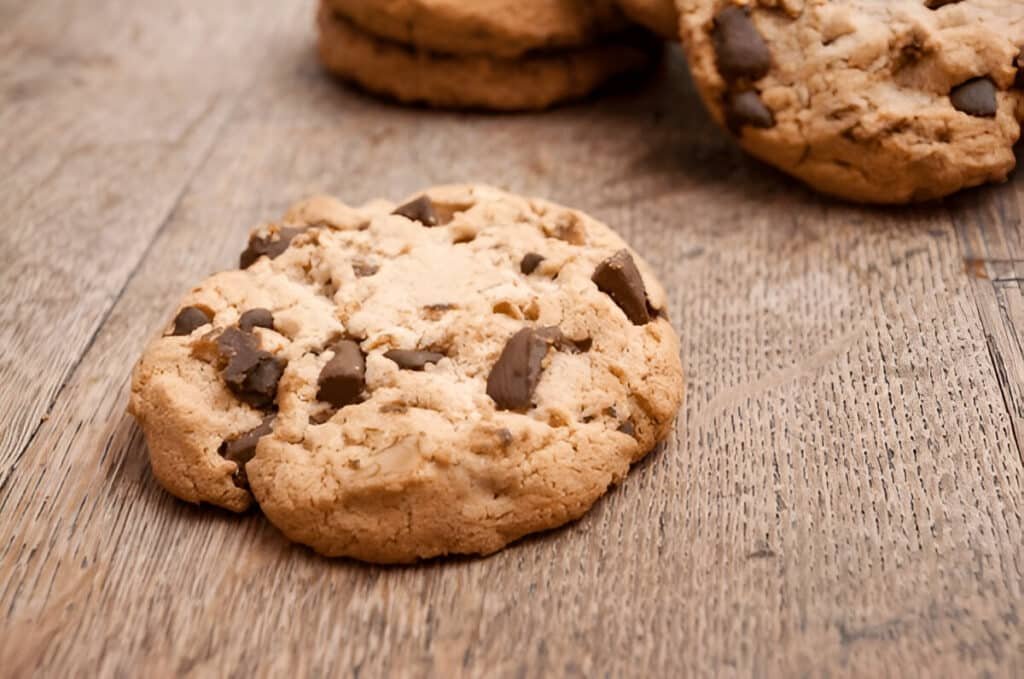
Texture is everything.The ideal is crisp borders and soft, somewhat underbaked middle. To achieve that, balance your wet and dry ingredients carefully. Eggs and nut butter help bind the dough, while oats or protein powders soak up moisture.
As for nutrition, aim for at least 8 to 12 grams of protein per serving. This is especially helpful if you’re using the cookie as a snack between meals or after a workout. If you’re curious how these stack up to other desserts.
How to Add Protein to Cookies
Baking Science Behind Protein Boosting
Adding protein to cookies isn’t just a quick scoop-and-stir step. Protein powder affects texture, moisture, and structure. If you don’t adjust the other ingredients properly, you’ll likely end up with cookies that are dry or rubbery.
To avoid that, increase the wet elements of your dough when adding protein. Nut butter, mashed banana, Greek yogurt, or an extra egg can help balance the added powder. A good starting point is to replace 25 percent of the flour with protein powder and test the texture with a small batch.
The type of protein you choose also matters. Whey isolate produces a lighter, more tender result. Casein gives a creamy dough that bakes soft and chewy. Plant-based proteins like pea or brown rice are a bit denser, but they’re great for dairy-free recipes. Sometimes blending whey and plant protein gives the best of both textures.
Best Protein Add-ins and Substitutes
You don’t have to rely solely on protein powder. Many common pantry ingredients can also increase protein content while enhancing flavor and structure. Below is a breakdown of the most effective and delicious protein add-ins to use in your cookie recipes:
1. Whey Protein
Protein (2 tbsp): 12 g
Texture Effect: Soft and slightly cakey when well-balanced
Best Use: Great for chocolate chip cookies and protein brownies
2. Almond Flour
Protein (2 tbsp): 6 g
Texture Effect: Moist, slightly dense, and naturally rich
Best Use: Ideal for gluten-free cookies and chewy bases
3. Greek Yogurt
Protein (2 tbsp): 10 g
Texture Effect: Creamy and softens the dough nicely
Best Use: Works well in soft-baked cookies and high-protein muffins
4. Chia Seeds
Protein (2 tbsp): 5 g
Texture Effect: Adds crunch and helps retain moisture
Best Use: Perfect in vegan cookies or breakfast-style cookie recipes
Controversy and Smart Choices
The Lenny & Larry’s Lawsuit Explained
If you’ve heard of protein cookies, chances are you’ve come across Lenny & Larry’s. Their famous “Complete Cookie” helped popularize the protein snack trend. But in 2017, the brand came under fire. Consumers filed a class-action lawsuit claiming the cookies didn’t contain as much protein as the label advertised.
Independent lab tests revealed a significant discrepancy between the stated and actual protein content per cookie. What made it worse was that the company had built its brand on transparency and health. Eventually, Lenny & Larry’s agreed to settle the lawsuit without admitting wrongdoing. Customers could claim a refund, and the brand updated its labeling.
This controversy made one thing clear. Not every packaging provides the whole truth, and not all protein cookies are made equal. That’s why many people, including myself, now turn to homemade versions. You know what’s inside, how much protein you’re getting, and you can skip the fillers.
What to Look For on Labels
Whether you’re buying protein cookies or baking them at home, knowing what to look for on labels is key. Here is a brief guide to assist you in making wise decisions:
- Protein content per serving: Aim for 8 to 12 grams. Anything less is just a regular cookie with a marketing twist.
- Sugar levels: Keep an eye out for hidden sugars that might cause digestive distress, such as sugar alcohols or corn syrup solids.
- Fiber content: A good cookie will have at least 3 grams of fiber, especially if made with oats, flax, or almond flour.
- Ingredient list: Fewer ingredients usually mean better quality. Look for whole food sources like nut butters, oats, and natural sweeteners.
Conclusion
Protein cookies aren’t just another health trend. When made well, they’re the perfect blend of comfort and nutrition. You get the chewiness of a classic cookie with the staying power of a balanced snack. Whether you’re baking with whey, almond flour, or chia seeds, you’ll find that the best cookies are the ones made with care.
After trying innumerable variants, I consistently return to recipes that have the texture of dessert but the nutritional value of fuel. Don’t be afraid to experiment, substitute, or go big on flavor. Because dessert isn’t about perfection. It’s about joy.
Frequently Asked Questions
Are protein cookies actually healthy?
Yes, when made with whole ingredients and balanced macros, protein cookies can be a healthy snack. They offer satiety from protein and fat, especially if made with almond flour, oats, or whey isolate. Store-bought versions vary, so always check the label for sugar and filler content.
What is the best protein cookie?
The best protein cookie is one that tastes great, satisfies your cravings, and aligns with your nutritional goals. Homemade versions let you control sweetness, protein content, and texture. A chewy peanut butter cookie made with Greek yogurt and chia seeds is one of my personal favorites.
How do you add protein to cookies?
You can add protein to cookies by replacing part of the flour with protein powder or using high-protein ingredients like almond flour, Greek yogurt, or hemp seeds. The key is to maintain moisture and flavor. Explore the full guide above and test your dough before baking the whole batch.
What is the lawsuit against Lenny and Larry’s protein cookies?
Lenny & Larry’s faced a class-action lawsuit after consumers claimed their cookies contained less protein than advertised. Lab tests supported this, leading to a financial settlement and changes to product labeling. It was a reminder that not all “protein” claims are reliable.