Ultimate Guide to Greek Baklava: Recipes, Techniques, and History

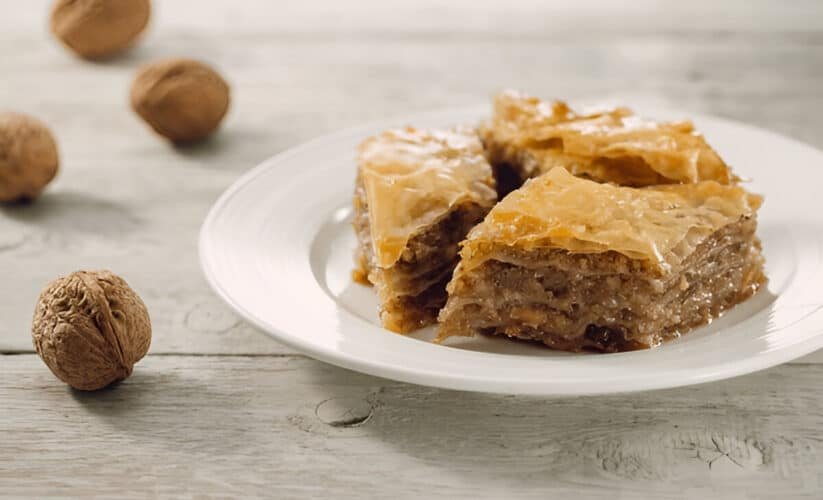
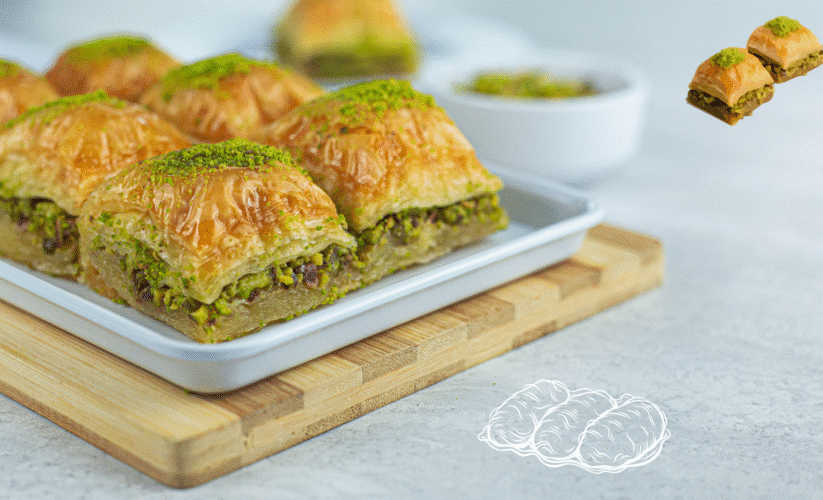
Greek baklava is more than just a dessert it’s a piece of history, culture, and tradition wrapped in layers of crispy filo dough, warm honey syrup, and crunchy nuts. Originating from the Middle East and perfected by the Greeks, baklava is now one of the most beloved pastries worldwide.
Baklava’s significance goes beyond its taste. It’s a staple at celebrations, a symbol of hospitality, and a reflection of the deep-rooted culinary traditions of Greece. Whether you’re making it for a family gathering or just to indulge your sweet tooth, baklava is always a hit.
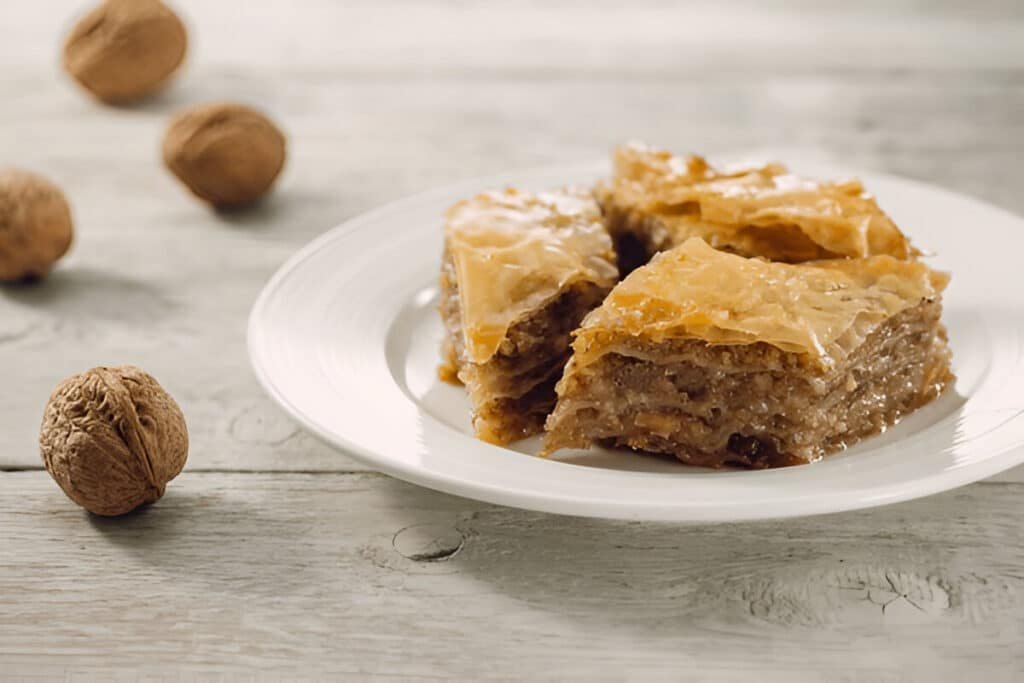
Table of Contents
The History of Greek Baklava
Baklava’s history spans thousands of years, beginning with the ancient Greeks, Persians, and Ottomans, who each contributed to its evolution. The earliest known versions of baklava were made by the ancient Greeks and Romans, who layered bread and honey and used nuts as fillings.
The term “baklava” itself is believed to be derived from the Ottoman Empire, where it was refined into the form we recognize today. Over centuries, baklava became a fixture in the Middle Eastern and Mediterranean regions, and each country put its own spin on the dessert, depending on local ingredients and tastes.
The Greeks, for example, popularized the use of walnuts, cinnamon, and honey syrup a combination that has become synonymous with Greek baklava today.
Essential Ingredients in Greek Baklava
Making perfect baklava begins with understanding the essential ingredients. Here’s a breakdown of each:
Filo Dough
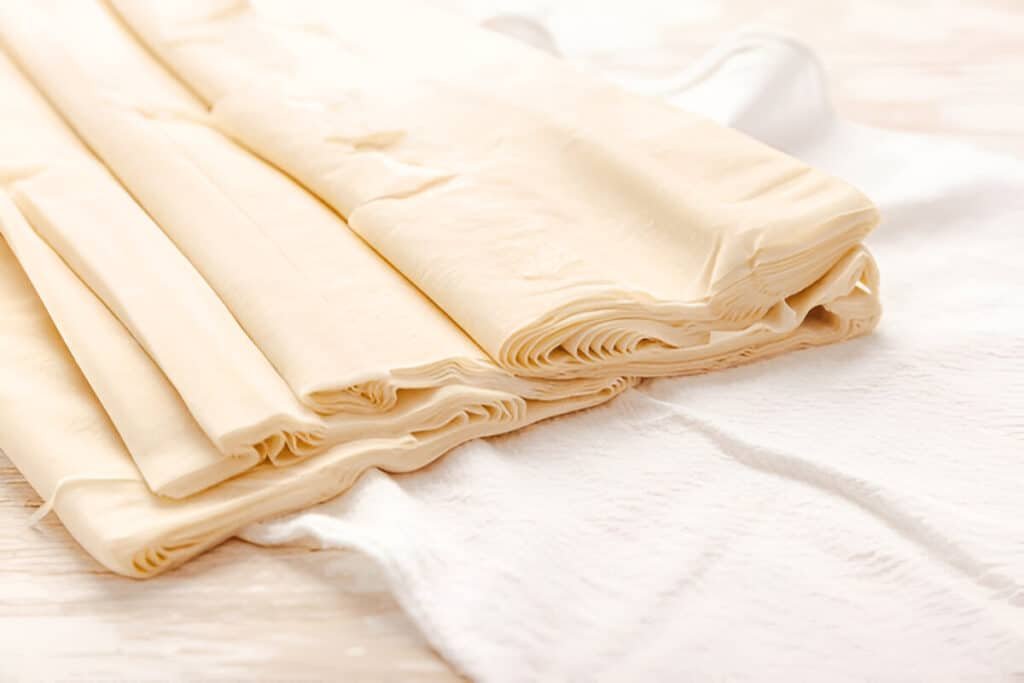
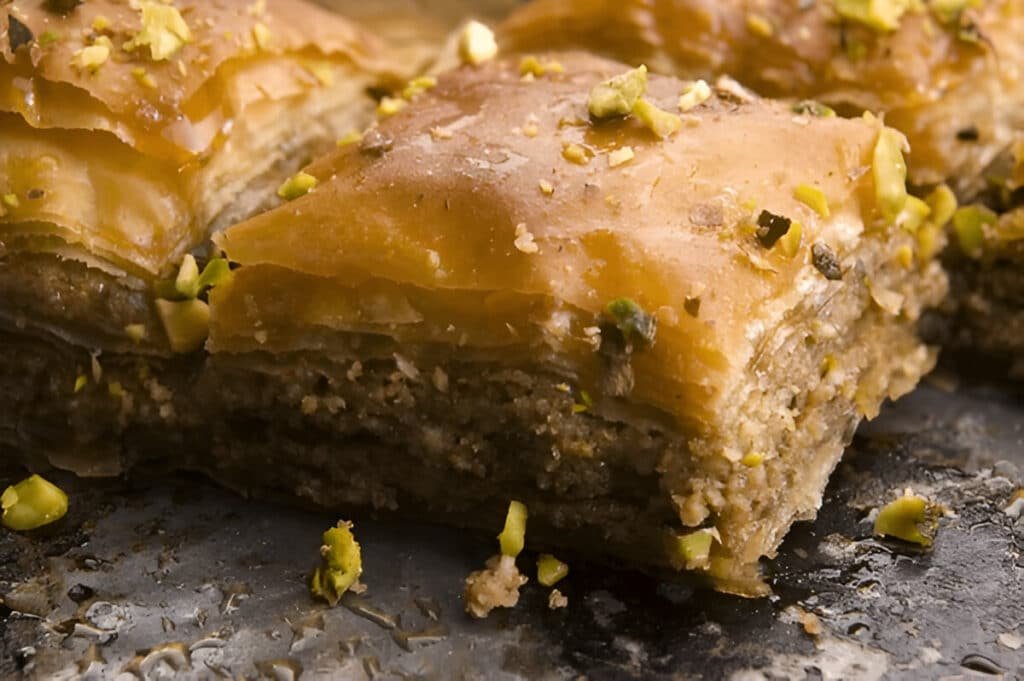
The delicate, paper-thin dough is the foundation of baklava. Greek baklava typically uses 33 layers, which represent the years of Christ’s life. Each layer is brushed with melted butter to ensure that the baklava bakes up light and crispy. Filo dough can be tricky to work with, as it dries quickly, but once mastered, it delivers that signature flakiness.
Nuts
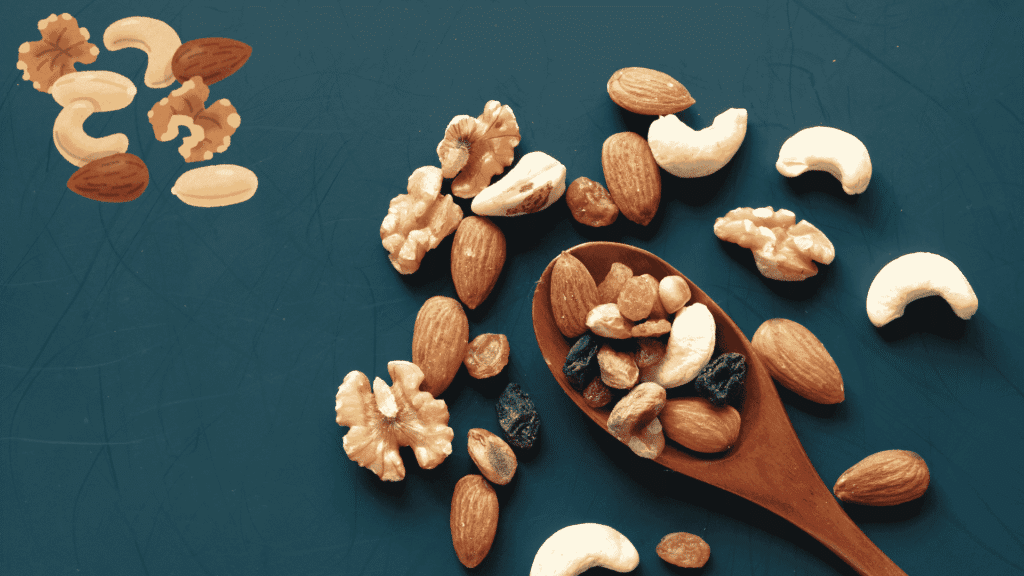
The walnut is the most common nut used in Greek baklava due to its rich, earthy flavor. However, you’ll also find baklava made with pistachios, almonds, or a combination of both. The nuts are finely chopped and mixed with cinnamon and sugar before being layered between the filo sheets.
Syrup
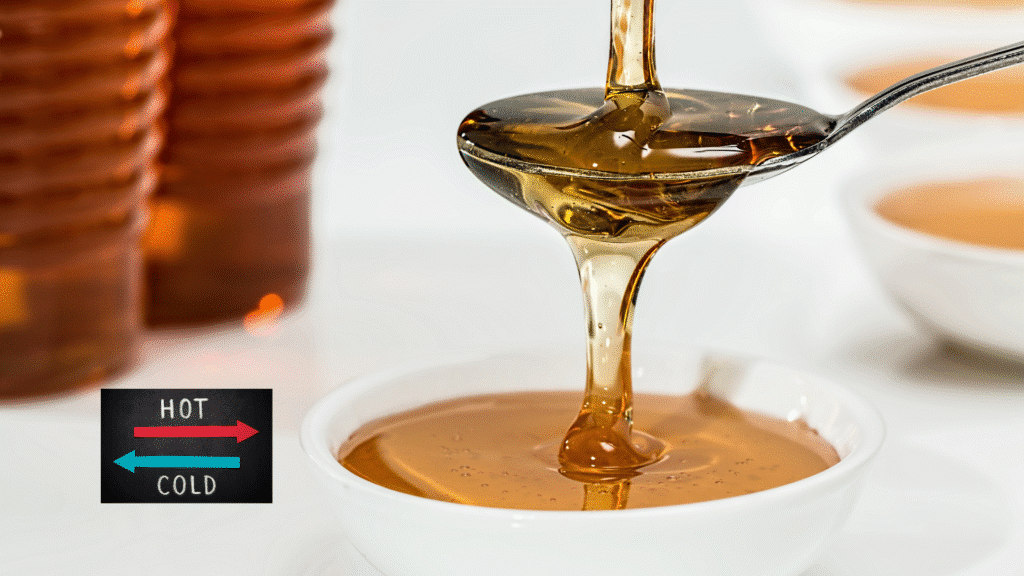
The syrup is the heart of baklava. Made from water, sugar, and honey, it’s flavored with a hint of lemon and cinnamon. The syrup soaks into the baklava after baking, adding sweetness while maintaining the crispiness of the filo. The key is the timing of the syrup pour hot baklava gets cold syrup for the perfect balance of crunch and sweetness.
Step-by-Step Recipe for Classic Greek Baklava
Making Greek baklava from scratch might seem intimidating, but with patience, it’s manageable. Here’s a simple breakdown:
- Prepare the Nuts: Chop your nuts (usually walnuts) and mix them with cinnamon and sugar.
- Layer the Filo: Brush each filo sheet with melted butter and layer it into your baking pan. You’ll want to use at least 8-10 sheets at the bottom.
- Add the Nut Filling: After every 2-3 layers of filo, spread a thin layer of the nut mixture.
- Continue Layering: Repeat until your pan is full, ensuring the top layer is made of filo. Finish with a final buttered layer.
- Cut the Baklava: Before baking, cut the baklava into diamonds or squares.
- Bake: Bake at 325°F for 45-60 minutes until golden brown and crispy.
- Pour the Syrup: Once the baklava is out of the oven, pour the cooled syrup over it while it’s still hot. Let it sit for several hours (preferably overnight) to allow the syrup to soak in.
The Art of Syrup Timing
Syrup timing is crucial. If you pour syrup on baklava at the wrong time, the filo will either become soggy or too dry.
- Hot baklava + cold syrup: This is the traditional Greek method. The syrup should be cooled before being poured over hot baklava. This allows the syrup to soak into the filo without making it too soggy.
- Cold baklava + hot syrup: This method is common in other regions and works similarly, but the key is that the syrup should not be boiling.
In both cases, you want the syrup to be thick enough to coat the baklava without soaking into it too quickly. This is what creates the perfect texture: crispy on the outside, soft on the inside.
The Secrets to Perfecting the Layers
Achieving the perfect layers is what makes baklava stand out. Here are some pro tips:
- Don’t rush the buttering process: Each sheet of filo dough should be lightly brushed with butter. Too much butter will make the filo greasy, while too little will result in dry layers.
- Layering correctly: When layering filo, don’t be afraid to overlap the sheets slightly. The more layers you have, the crispier your baklava will be.
- Use sharp tools: Cut the baklava before baking into diamond or square shapes, making sure you go all the way through to the bottom.
Regional Variations of Baklava
Baklava isn’t just a Greek thing. It’s beloved across the Mediterranean and Middle East, with each region adding its own flair. Here’s a breakdown:
- Greek Baklava: Walnuts, cinnamon, and honey syrup define Greek baklava, which is cut into diamonds.
- Turkish Baklava: Known for pistachios, it uses a sugar-lemon syrup and has a buttery, lighter texture.
- Middle Eastern Baklava: Often made with almonds and pistachios, flavored with rosewater or orange blossom water, and cut into smaller, bite-sized pieces.
- Armenian Baklava: This version is spiced with cloves and nutmeg and usually uses a mix of walnuts and almonds.
The Perfect Pairing: What to Serve with Baklava
Baklava pairs wonderfully with:
- Greek coffee: The boldness of Greek coffee balances the sweetness of baklava.
- Tea: A light, fragrant tea works well, especially jasmine or mint.
- Ice Cream: For a modern twist, serve baklava with a scoop of vanilla or pistachio ice cream.
How to Store Baklava
Proper storage will keep your baklava fresh for up to two weeks at room temperature. Here’s how:
- Airtight container: Store your baklava in an airtight container to keep it fresh and crispy.
- Cool, dry place: Avoid heat and humidity. Store in a cool place, away from direct sunlight.
How to Reheat Baklava
To bring back that fresh-from-the-oven taste:
- Preheat your oven to 300°F.
- Place your baklava on a baking tray, and bake for 5–10 minutes until warm.
- This restores the crispiness without drying it out.
The Cultural Significance of Baklava in Greek Celebrations
In Greek culture, baklava is a dessert reserved for special occasions, such as weddings, Easter, and religious holidays. It symbolizes abundance and hospitality. Serving baklava to guests is considered a gesture of warmth and generosity. The layers of filo represent the richness of life, while the honey syrup signifies sweetness and blessings.
Why Filo Dough Is Key to Greek Baklava
Filo dough is the backbone of Greek baklava. It’s thin, delicate, and crispy when baked properly. Handling it requires patience because it dries out quickly, but it’s what gives baklava its signature light and flaky texture. Properly managing filo dough can take your baklava from good to great.
Tips for Making Baklava Like a Pro
For baklava that’s restaurant-worthy:
- Layer efficiently: Use enough filo for a crisp, not-too-thick base.
- Be patient with the syrup: Let the syrup cool to room temperature before pouring.
- Practice cutting: Cutting before baking will ensure clean slices and even syrup distribution.
Vegan and Gluten-Free Baklava Alternatives
For those with dietary restrictions, baklava can still be enjoyed! Use vegan butter or olive oil instead of regular butter. For gluten-free baklava, use gluten-free filo dough. The flavors remain just as rich and indulgent.
How to Serve Baklava: Presentation Ideas
When serving baklava, presentation matters! Use a beautiful serving dish, and garnish with pistachios or a dusting of powdered sugar. If you want an extra touch, drizzle some honey or a dash of rosewater on top.
Conclusion: Embracing the Magic of Greek Baklava
Making Greek baklava is an art. Each layer, each nut, and each drop of syrup creates a delicious masterpiece. Whether you’re baking it for a celebration or just to indulge yourself, Greek baklava is a dessert that connects you to generations of tradition.
Now that you have the tools and techniques to make it perfect, get baking, and enjoy the magic of Greek baklava!