Bundt Cake: The Best Classic Recipe with Sweet Glaze & Baking Tips


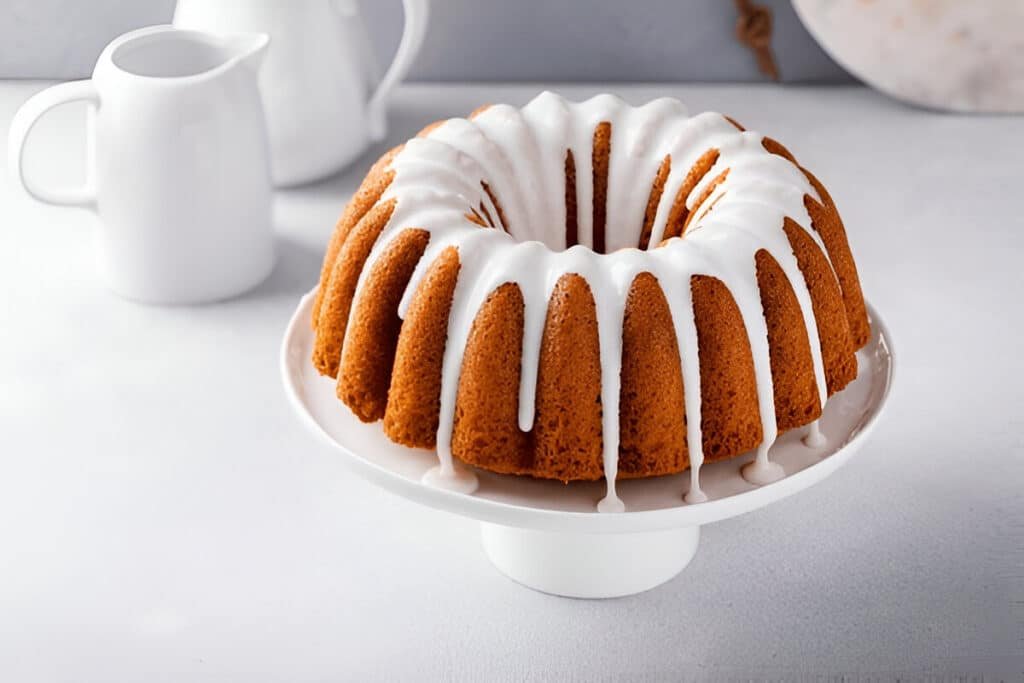
Bundt cake are more than just a dessert they’re a nostalgic centerpiece, a celebration staple, and a baker’s test of finesse. With their distinct ring shape and rich, buttery flavor, they’ve become a kitchen classic across the U.S. This article unveils the ultimate golden vanilla Bundt cake recipe, a version refined through dozens of test bakes to strike the perfect balance between dense and soft, sweet and simple.
You’ll learn exactly what sets Bundt cakes apart, how to get the batter just right, and why greasing your pan correctly is make-or-break. Plus, we’ll walk through smart glaze ideas, clever flavor variations, storage strategies, and common pitfalls to avoid. Whether you’re baking your first Bundt or perfecting your hundredth, this guide is your go-to.
Looking for inspiration? Try this Ice Cream Sandwich Cake with 7 Layers Everyone Adores—it’s a freezer-friendly showstopper for summer!
Table of Contents
What Are Bundt Cakes?
What Defines a Bundt Cake?
A Bundt cake is defined not by its ingredients, but by its shape.The Bundt pan, a unique, fluted ring-shaped mold modeled after classic European Gugelhupf pans, is used to bake these cakes. That iconic shape isn’t just for looks: it helps distribute heat evenly, giving the cake a perfectly golden crust and a soft, dense interior.
Print
Bundt Cakes: The Best Vanilla Recipe With Glaze & 9 Expert Baking Tips
- Total Time: 1 hour 25 minutes
- Yield: 12 slices 1x
Description
bundt cake recipe, vanilla bundt cake, how to bake bundt cake, homemade bundt cake, easy cake recipe, bundt cake glaze, soft bundt cake, classic bundt cake, cream cheese cake, moist cake recipe
Ingredients
- 1 cup unsalted butter, room temp
- 8 oz full-fat cream cheese
- 3 cups granulated sugar
- 6 large eggs
- 3 cups all-purpose flour
- 1 teaspoon baking powder
- ½ teaspoon salt
- 1 tablespoon vanilla extract
- ½ cup whole milk
Instructions
- Preheat oven to 325°F and grease Bundt pan
- Cream butter, cream cheese, and sugar
- Add eggs one at a time
- Mix in dry ingredients alternately with milk
- Stir in vanilla
- Pour into pan and bake 55 to 70 mins
- Cool and glaze before serving
Glaze:
- 1 cup powdered sugar
- 2 tbsp butter
- 2 tbsp milk
- ½ tsp vanilla extract
Notes
Best stored at room temp for up to 5 days. Can be frozen unglazed.
- Prep Time: 25 minutes
- Cook Time: 60 minutes
Nutrition
- Serving Size: 1 slice (1/12 of cake)
- Calories: 470 kcal
- Sugar: 38 g
- Sodium: 210 mg
- Fat: 24 g
- Saturated Fat: 14 g
- Unsaturated Fat: 8 g
- Trans Fat: 0.3 g
- Carbohydrates: 58 g
- Fiber: 1 g
- Protein: 6g
- Cholesterol: 115 mg
Unlike layered cakes or sheet cakes, Bundt cakes rely on their sculpted form to make a visual impact. There’s no frosting to hide imperfections what comes out of the pan is your final presentation. That’s why technique and pan prep are everything.
The History of the Bundt Pan and Its Popularity
The Bundt pan rose to fame in the 1950s when Nordic Ware introduced their aluminum version in the U.S. It took a while to gain popularity, but after a Bundt cake placed second in a Pillsbury Bake-Off, it took off. Today, it’s a beloved staple in American kitchens.
Bundt cakes gained their reputation for being sturdy, easy to slice, and capable of holding their shape during transport qualities that made them ideal for family reunions, church gatherings, and holiday dinners. Over time, they evolved from retro potluck stars to modern-day baking art forms.
Difference Between Bundt Cakes and Regular Cakes
The truth is that any cake, provided it is baked in a Bundt pan, can be a Bundt cake. That means your grandma’s lemon cake, your holiday spice cake, even your favorite brownie mix can become a Bundt, as long as it’s shaped right.
But generally speaking, traditional Bundt cakes tend to be:
- More dense than layer cakes but less heavy than pound cakes
- Designed for single-bake presentation no stacking required
- Glazed or dusted, not usually frosted with buttercream
Let’s break it down further:
| Feature | Bundt Cake | Pound Cake | Regular Layer Cake |
|---|---|---|---|
| Shape | Ring-shaped, fluted | Usually loaf or Bundt pan | Round layers |
| Texture | Dense but tender | Very dense | Lighter, airy |
| Frosting/Glaze | Glaze or dusting | Often plain or glazed | Frosted between layers |
| Purpose | Standalone dessert | Dessert or loaf snack | Celebratory, tiered cakes |
Ingredients for the Perfect Vanilla Bundt Cake
Creating a moist, golden cake with a soft crumb starts with choosing the right ingredients. The secret to an exceptional dessert lies in understanding how each item works together to build structure, texture, and flavor.
Essential Pantry Staples for a Soft, Golden Cake
This classic recipe calls for common baking items, but balance is everything.For optimal results, use high-quality goods and take meticulous measurements.
| Ingredient | Role in Recipe |
|---|---|
| Unsalted Butter | Adds rich, creamy flavor and structure |
| Cream Cheese | Creates tenderness and subtle tang |
| Granulated Sugar | Sweetens and enhances texture |
| Eggs | Provide binding, richness, and lift |
| All-Purpose Flour | Builds structure without heaviness |
| Baking Powder | Lightens the batter subtly |
| Salt | Enhances and balances sweetness |
| Vanilla Extract | Adds warm, aromatic depth |
| Milk | Moistens and keeps the crumb soft |
Avoid using self rising flour, as it alters the rise and can make your cake overflow during baking.
Learn more about classic cake design in this Bento Cake tutorial for bite sized dessert inspiration.
Why Cream Cheese Is a Game-Changer
This full fat ingredient offers more than just flavor. It improves the consistency of your batter and helps the cake stay fresh longer. The slight tang adds complexity without overpowering the sweet notes. Always use brick style, not the spreadable tub versions.
Cream cheese also:
- Supports the structure without drying the cake
- Enhances moisture retention
- Improves the cake’s texture on the second and third day
Ingredient Swaps to Make It Your Own
Want a custom twist without ruining the result? Here are smart substitutions that preserve texture while giving you flavor flexibility:
| If You’re Out of… | Try This | Why It Works |
|---|---|---|
| Butter | Browned butter or quality margarine | Adds nutty or lighter notes |
| Milk | Buttermilk or sour cream | Adds moisture and slight tang |
| Vanilla Extract | Almond or citrus extracts | Changes flavor profile |
| Cream Cheese | Mascarpone or thick Greek yogurt | Maintains richness |
Check out this 7-layer Ice Cream Cake for a creative spin on chilled desserts.
How to Grease a Bundt Pan Properly
One of the most common complaints among home bakers is a cake that won’t release from the pan. With Bundt cakes, this can be especially frustrating because their design is part of the appeal. That beautifully sculpted shape needs a smooth exit and it all starts with how you prep your pan.
Why Pan Prep Is Crucial for Bundt Cake Success
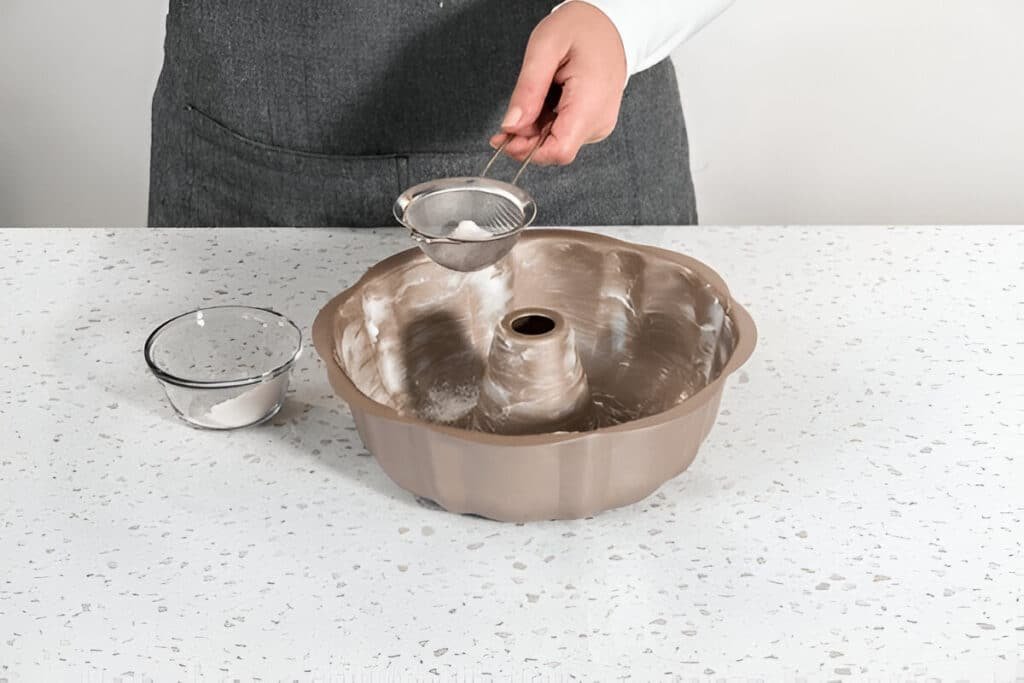
Because of the fluted design and central tube, Bundt pans are trickier than standard round cake pans. Every crevice must be coated evenly. If you skip or rush this step, your Bundt cake may break or stick ruining hours of effort.
A properly greased pan ensures:
- A clean, defined shape
- An even bake throughout
- Easy release without cracks or breaks
Bundt cakes are meant to impress. Pan prep makes sure they actually do.
Three Foolproof Ways to Grease a Bundt Pan
There are several reliable techniques to prep your pan. Choose one that works best for you but follow through completely.
1. Grease and Flour Method (Best for Classic Pans)
This traditional technique works well with non coated aluminum pans:
- Rub shortening or softened butter (not melted) into every crevice using a pastry brush or paper towel.
- Sprinkle flour into the pan and rotate to cover all surfaces.
- Tap out the excess.
This creates a thin, reliable nonstick layer. It’s the old-school favorite for a reason.
2. Flour-Based Baking Spray (Fast & Reliable)
Use a spray specifically designed for baking it should contain flour. Coat the entire inside of the pan evenly.
- Look for terms like “Baking Spray with Flour.”
- Avoid regular cooking sprays they don’t stick as well and often burn.
To distribute spray evenly, use a plastic bag or glove over your hand to spread it without absorbing product.
3. Homemade Cake Release (“Goop”)
This DIY method is gaining popularity:
- Mix equal parts flour, vegetable oil, and shortening.
- Brush the mixture into every corner of your Bundt pan.
It stores well in the fridge and gives reliable results, especially for intricate molds.
Looking for inspiration? Try our Ice Cream Sandwich Cake—a no-stick freezer cake that’s also presentation-perfect!
Post-Bake Tips for Easy Release
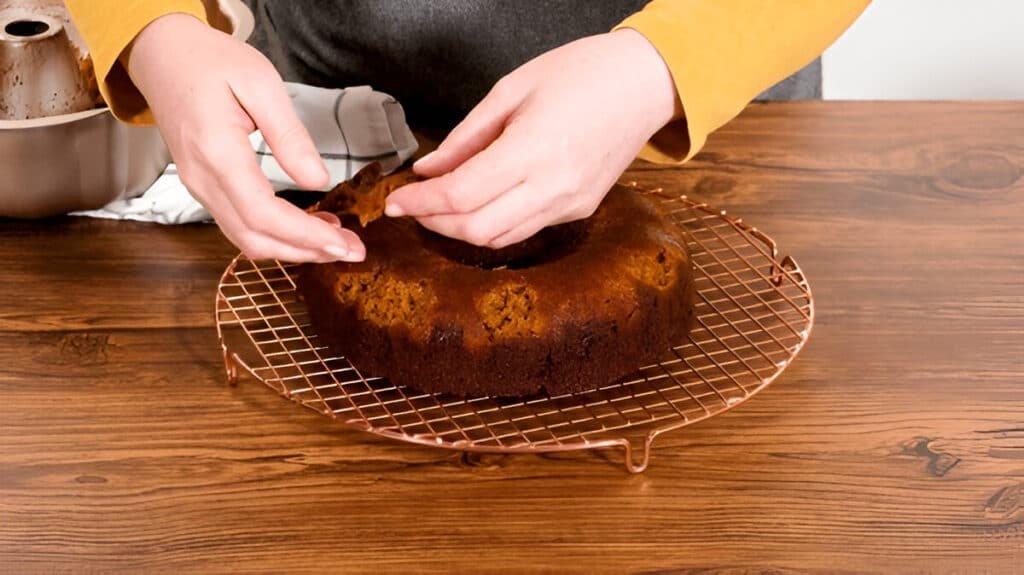
Once your Bundt cake is out of the oven, give it 10–15 minutes to cool in the pan. Too soon and it may collapse. Too long and it may stick.
- Use a butter knife to gently loosen the edges and center.
- Place a cooling rack over the top of the pan and invert with confidence.
- Tap the top gently if needed but avoid shaking or banging.
Don’t miss our Bento Cake tutorial to see how shape and presentation work hand-in-hand.
Glazing and Frosting Ideas for Bundt Cakes
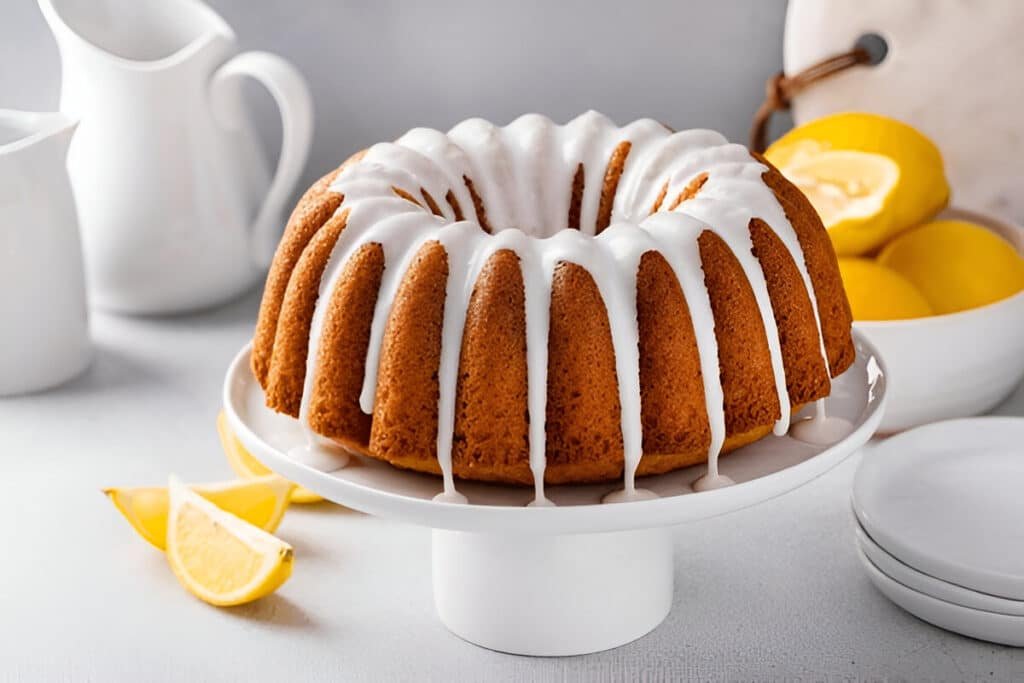
Layers and frosting roses are not necessary for a Bundt cake to be aesthetically pleasing. Its shape does the heavy lifting so all it needs is a light, delicious topping to shine. Whether you prefer a simple drizzle or a decadent ganache, the right glaze transforms your cake from homey to bakery-worthy.
Classic Vanilla Glaze (Simple and Foolproof)
This go-to glaze is buttery, smooth, and full of vanilla flavor.It enhances without dominating your Bundt cake’s golden crust.
Ingredients:
- 1 cup powdered sugar
- 2 tablespoons melted butter
- 1½–2 tablespoons milk
- ½ teaspoon vanilla extract
Instructions:
- In a small bowl, whisk together all the ingredients until smooth.
- Adjust thickness: add more sugar to thicken, or a few drops of milk to thin.
- Drizzle over a completely cooled cake so it sets beautifully.
Pro Tip: Add food coloring for holidays or events. Scatter sprinkles over the glaze while it’s still wet for fun texture and color.
Chocolate Ganache Glaze
For a richer option, this glossy glaze adds drama and flavor:
Ingredients:
- ½ cup heavy cream
- 4 oz semi-sweet chocolate, chopped
- 1 tablespoon butter
How to Use It:
- Heat cream to a simmer.
- Pour over chocolate and butter.
- After two minutes of sitting, whisk until smooth and glossy.
- Pour over the center top of the Bundt cake and let it drip naturally down the sides.
This ganache pairs especially well with vanilla or coffee-based Bundt cakes.
Looking for another dreamy dessert? Try our Soft Protein Cookies great for a health conscious twist.
Alternative Toppings and Creative Finishes
Glaze isn’t your only option. Depending on the flavor and occasion, consider:
| Topping Option | Best For | Notes |
|---|---|---|
| Dusting with powdered sugar | Lemon, spice, or chocolate Bundts | Elegant and subtle |
| Citrus glaze | Lemon or orange cakes | Add zest for extra pop |
| Cream cheese glaze | Carrot or red velvet Bundts | Rich, tangy finish |
| Maple or brown butter drizzle | Fall-inspired Bundts | Warm and aromatic |
Want more holiday style finishes? Add toasted nuts, fresh berries, edible flowers, or candied citrus on top of the glaze.
Discover great presentation ideas with our Bento Cake how-to for more Instagram worthy finishes.
Storing and Freezing Bundt Cakes
Once you’ve baked a beautiful Bundt cake, the next step is knowing how to store it properly. Storing it the right way helps preserve its texture, prevent dryness, and keep the glaze looking fresh. Whether you plan to enjoy your cake over several days or freeze it for later, the methods below ensure delicious results every time.
The Ideal Method for Room Temperature Bundt Cake Storage
If your kitchen is relatively cool and dry, the counter is a great place to keep your cake fresh for several days. Here’s how to do it:
- Let the cake cool completely before storing. Any warmth can lead to moisture buildup, which affects texture.
- Wrap the cake tightly in plastic wrap. If it’s already glazed, use a cake dome or airtight container to avoid smearing the topping.
- Keep it in a dark, dry spot away from heat or sunlight.
A properly stored Bundt cake can last for up to 5 days at room temperature while still tasting moist and flavorful.
Should You Refrigerate a Bundt Cake?
Most Bundt cakes do not need refrigeration. In fact, refrigerating can dry them out faster than storing at room temperature. However, there are exceptions:
- If your cake has a cream cheese glaze or filling, refrigeration is necessary.
- When storing in the fridge, wrap the cake in two layers of plastic or place it in a tightly sealed container to minimize moisture loss.
Before serving, let the cake come back to room temperature to restore its soft, rich texture.
Looking for more serving options? Try pairing your cake with our Ice Cream Sandwich Cake for a chilled contrast.
Can You Freeze a Bundt Cake?
Yes, if stored properly, Bundt cakes freeze well. This is a smart option for make-ahead baking, event prep, or saving leftovers.
How to Freeze:
- Make sure the cake is fully cooled and unglazed for best results.
- After securely wrapping the cake in plastic wrap, cover it with aluminum foil.
- Place in a heavy-duty freezer bag or airtight container to prevent freezer burn.
Frozen Bundt cakes can last for up to 2 months. When ready to serve, thaw overnight in the refrigerator or for a few hours at room temperature. For the greatest texture and appearance, glaze the cake once it has thawed.
Pro Tip: If freezing individual slices, separate them with wax paper before wrapping. This makes it easy to grab a single piece without defrosting the entire cake.
Want to explore more stylish dessert options? Check out our creative Bento Cake recipe that’s perfect for gifts and parties.
Flavor Variations of Bundt Cakes
One of the best things about Bundt cakes is how adaptable they are. Once you master the base recipe, you can create endless variations to suit any occasion, season, or craving. From zesty citrus to indulgent chocolate swirls, the possibilities are wide open.
Popular Flavor Ideas That Start with a Vanilla Base
The classic vanilla Bundt cake recipe makes the perfect foundation. With a few small changes, you can shift the entire profile of the cake without altering the texture.
Here are easy ways to customize your batter:
- Lemon or orange zest for a bright, citrus-forward version
- Cinnamon, nutmeg, or pumpkin spice for cozy fall flavors
- Instant espresso or strong brewed coffee for mocha undertones
- Almond or maple extract for a richer, nutty flavor
- To add texture, mix in chopped chocolate chips, dried fruit, or nuts.
These subtle adjustments keep your Bundt cake moist and flavorful while giving it a fresh twist.
Seasonal Bundt Cake Favorites
Certain flavors shine during specific times of the year. Try these ideas based on seasonal ingredients and occasions:
| Season | Flavor Ideas | Add-ins or Tips |
|---|---|---|
| Spring | Lemon poppy seed, strawberry swirl | Use fresh fruit purée or zest for flavor |
| Summer | Blueberry, coconut-lime | Fold in berries with a light glaze |
| Fall | Pumpkin spice, apple cinnamon | Add chopped apples and warm spices |
| Winter | Chocolate peppermint, cranberry orange | Use extracts, crushed candies, or zest |
Looking for inspiration? Pair your seasonal Bundt cake with our Protein Cookie recipe for a cozy, health-forward dessert table.
Special Occasion Variations
Need something bold for holidays or celebrations? Try these options:
- Red velvet Bundt cake with cream cheese drizzle for Valentine’s Day
- Chocolate Bundt with ganache glaze for birthdays or anniversaries
- Eggnog Bundt cake with nutmeg glaze for holiday parties
- Crushed walnuts with carrot Bundt cake for Easter brunch
You can even create filled versions by layering chocolate ganache, cream cheese filling, or fruit preserves in the center before baking.
For party-sized options, try mini Bundt cakes using the same batter. They bake faster and look elegant for guests.
Need a beautiful presentation idea? Don’t miss our Bento Cake tutorial to explore creative frosting and styling techniques.
Common Mistakes to Avoid When Baking Bundt Cakes
A Bundt cake may look simple, but its unique pan and dense batter mean there’s less room for error. One misstep can lead to a cake that’s dry, stuck in the pan, or sunken in the center. Understanding these common mistakes will help you get it right every time.
Overmixing the Batter
One of the most common problems while baking cakes is overmixing. While it’s important to fully incorporate your ingredients, mixing too long after the flour is added activates gluten. That leads to a dense, tough crumb instead of the soft texture a Bundt cake should have.
Tip: After adding the dry ingredients, mix on low just until no streaks of flour remain. Use a spatula to scrape the bottom of the bowl and finish blending by hand if needed.
Using the Wrong Type or Size of Pan
Not all Bundt pans are the same. Using one that’s too small can cause overflow. Using one that’s too large can leave you with a flat, dry cake.
Standard size: 10 to 12 cups of batter. If your recipe makes more than that, divide the batter or scale it down.
Make sure to avoid pans with coatings that have worn down. This can cause sticking, even if you grease properly.
Use water to gauge the size of your pan if you’re not sure. 2. To find the capacity, fill it completely and then pour it into a measuring cup.
Underbaking or Overbaking
Timing is everything when it comes to a Bundt cake. Baking too short results in a sunken center and gummy texture. Too long and the cake turns dry.
Use visual cues:
- When touched, the golden top should bounce back.
- It should come out clean or with a few wet crumbs when a wooden skewer is inserted in the center.
Avoid opening the oven early, especially in the first 30 minutes. This sudden drop in temperature can cause collapse.
Looking for more consistent baking tips? Learn more through our Protein Cookie recipe, which includes oven temp tricks and texture hacks.
Not Letting the Cake Cool Before Removing
Removing your Bundt cake too soon can tear the outer crust. But waiting too long makes it stick and pull apart. The sweet spot is about 10 to 15 minutes after it comes out of the oven.
How to release it right:
- Gently loosen the edges with a butter knife.
- Place a wire rack or plate over the pan and invert it in one motion.
- If the cake resists, tap the pan lightly or let it sit inverted for a few minutes before lifting.
Want more cake styling tips? To make presentations stress-free, try the simple methods in our Bento Cake guide.
Serving and Presenting Bundt Cakes
Bundt cakes are renowned for their rich richness and beautiful shapes. Once you’ve baked and glazed your cake, it’s time to present it in a way that highlights its beauty. A well-served cake not only tastes great but also becomes a centerpiece for your table.
Tips for Slicing and Serving
Bundt cakes can be a bit firm and thick, especially when freshly baked.. Cut neat, even slices with a sharp, serrated knife.
How to slice neatly:
- Cut using a sawing motion instead of pressing straight down.
- To maintain clean edges, wipe the blade in between cuts.
- To ensure uniformity, divide each slice after slicing in half.
Depending on the size of the slices, a full-sized Bundt cake usually feeds 12 to 16 people.
Serving suggestions:
- Dust with powdered sugar for a delicate finish.
- To create a temperature and textural contrast, add a dollop of vanilla ice cream.
- Drizzle extra glaze on the plate before serving for a gourmet look.
Want more creative plating ideas?The simple designs in our Bento Cake guide complement Bundts perfectly.
Plating Ideas for Events and Gatherings
Whether you’re baking for a birthday, brunch, or dinner party, the way you serve your Bundt cake adds to the experience.
Plating strategies to impress guests:
- Use a cake stand or raised dish to give your dessert height on the table.
- Add edible flowers, mint leaves, or fresh berries as a garnish.
- Choose white or light-colored plates to contrast with the cake’s golden tone.
For more rustic gatherings, consider serving slices on wooden boards alongside bowls of whipped cream, berries, or flavored syrups.
Pro tip: For potlucks or bake sales, slice the cake ahead of time and place parchment between slices to keep the presentation neat and easy to transport.
Looking for a cool summer contrast? Serve your cake alongside chilled layers of our Ice Cream Sandwich Cake, a fun crowd-pleaser.
What to Serve With Bundt Cake
Pairing your cake with the right beverage or side elevates the entire experience.
Best pairings include:
- Hot coffee or espresso for balance
- Whipped cream or sweetened yogurt
- A citrus fruit salad or compote for brightness
- A light dessert wine or sparkling water for special occasions
Choose complementary flavors rather than competing ones. For instance, berries and herbal tea go well with a vanilla cake with lemon glaze.
Conclusion
Bundt cakes are more than just nostalgic desserts. They’re the perfect blend of style, simplicity, and rich, comforting flavor. With the right ingredients, proper mixing technique, a well-prepped pan, and a drizzle of glaze, you can turn a basic recipe into something unforgettable. From classic vanilla to seasonal favorites like pumpkin spice or lemon poppy seed, the Bundt cake is endlessly versatile and ideal for every occasion.
Whether you’re baking for a celebration or just treating yourself, this guide ensures that your Bundt cake will always come out soft, golden, and picture-perfect. Remember to avoid common baking mistakes, explore creative glazes, and store your cake properly to enjoy it for days.
Don’t miss our helpful guide on Protein Cookies, a smart treat to balance all your dessert cravings.
Frequently Asked Questions About Bundt Cakes
What time does Nothing Bundt Cakes close?
Store hours vary by location. Most Nothing Bundt Cakes bakeries close between 6:00 PM and 7:00 PM from Monday to Saturday, and earlier on Sundays. For exact hours, it’s best to check with your local store or visit their official website.
Do Nothing Bundt Cakes need to be refrigerated?
Not always. The majority of their cakes keep well for a few days at room temperature, provided they are stored in an airtight container. 2. To maintain their safety and freshness, cakes with cream cheese icing should be kept in the refrigerator.
Can you freeze Nothing Bundt Cakes?
Yes, they freeze very well. Wrap the cake carefully in plastic wrap and then aluminum foil to freeze it. 4. You can keep it for up to two months in the freezer. 5. For the greatest texture, thaw overnight in the fridge and then bring to room temperature before serving.
How to frost a Bundt cake?
The easiest way is to drizzle a glaze or ganache over the top, allowing it to run down the ridges naturally. For thicker frosting, use a piping bag to add controlled swirls or stripes. Always let the cake cool completely before applying any frosting.